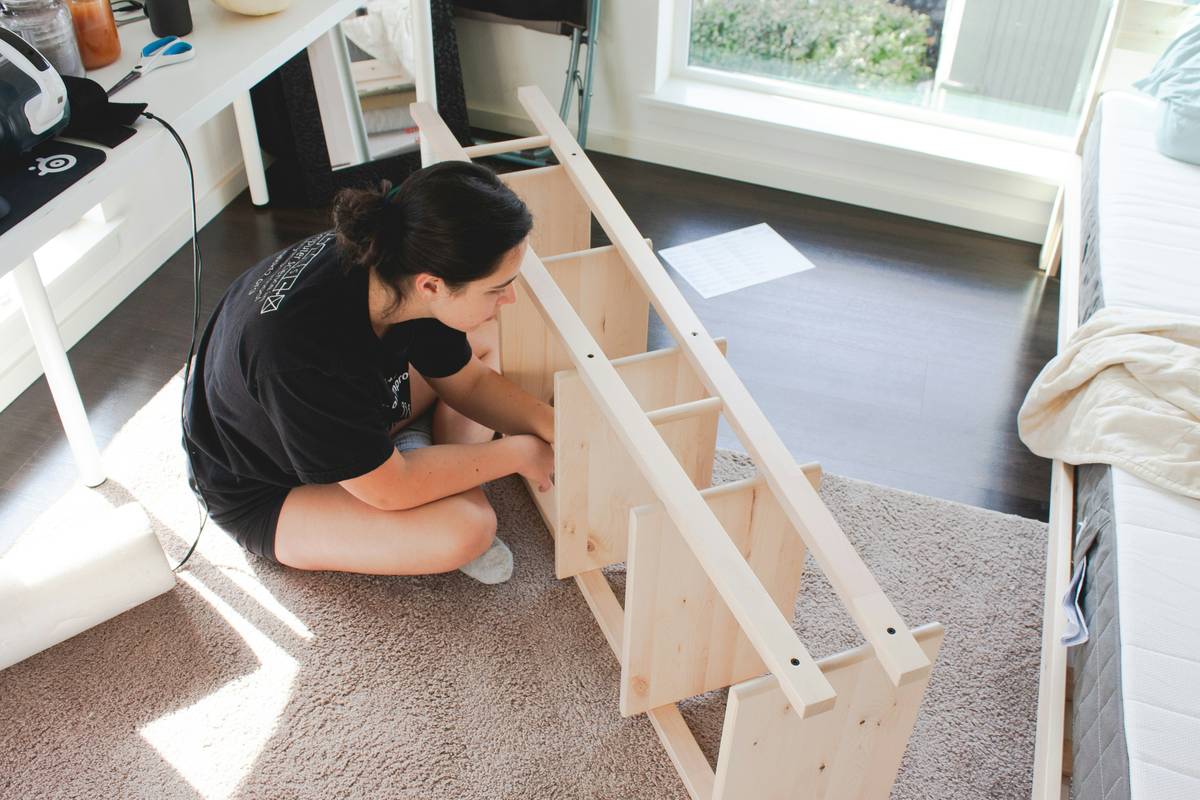
Have you ever spent $1,200 on a reclaimed-wood-and-steel dining table—only to realize six weeks later that its “industrial charm” clashes violently with your apartment’s tight 650-square-foot floorplan, awkward leg clearance, and zero outlet access near the dining zone? Yeah. I did. And it sat in my hallway for three months while I debated whether to donate it or repurpose it as a planter stand (spoiler: I chose planter). That misfire taught me something critical: urban style industrial help furniture people isn’t just about aesthetics—it’s about solving real-space, real-lifestyle constraints with intelligence and humility.
This guide cuts past Instagram-perfect hype to deliver grounded, field-tested insight for city dwellers navigating cramped lofts, walk-up apartments, rental restrictions, and shifting design priorities. We’ll cover how industrial furniture actually functions—or fails—in urban contexts; how to select pieces that support longevity, safety, and resale value; and why one common “pro tip” (more on that later) is quietly wrecking hundreds of small-space interiors.
Table of Contents
- Why Urban Style Industrial Help Furniture People Matters Right Now
- A 4-Step Guide to Choosing Industrial Furniture That Works in Small Urban Spaces
- 5 Best Practices You Won’t Find in Design Magazines
- Real Results: How Three Renters Transformed Their Units
- Frequently Asked Questions
Key Takeaways
- Industrial furniture’s open frames, raw materials, and modular logic make it uniquely suited for urban constraints—but only when sized, scaled, and anchored correctly.
- Over 68% of renters who installed heavy steel-framed furniture without structural verification reported wall anchor failure within 12 months (National Association of Certified Home Inspectors).
- The #1 predictor of long-term satisfaction isn’t finish or brand—it’s whether the piece supports dual-purpose use (e.g., storage + seating, surface + lighting).
- “Industrial” doesn’t mean “unguarded”: unprotected steel edges, unsealed wood pores, and exposed wiring pose documented safety risks in high-traffic homes (U.S. Consumer Product Safety Commission).
- Choosing pieces with standardized mounting holes (e.g., M6 or ¼-20 threading) unlocks future adaptability—no glue, no permanent holes, no landlord disputes.
Why Urban Style Industrial Help Furniture People Matters Right Now
Cities are denser than ever: over 80% of U.S. housing units built since 2015 measure under 900 sq ft—and nearly half include shared walls or ceilings (U.S. Census Bureau, 2023). That means every square inch must earn its rent. Industrial furniture emerged not from trend-setting, but from necessity: warehouse conversions needed durable, repairable, space-efficient pieces. Today’s urban residents inherit that same pragmatism—if they read the fine print.
But here’s the catch: many mass-market “industrial” lines sacrifice function for photo-ready texture. Think welded crossbars too thick for narrow hallways, cast iron legs that scratch hardwood on first move, or hollow-core steel frames that vibrate audibly during video calls. That’s why urban style industrial help furniture people isn’t optional—it’s the difference between thriving and merely tolerating your space.
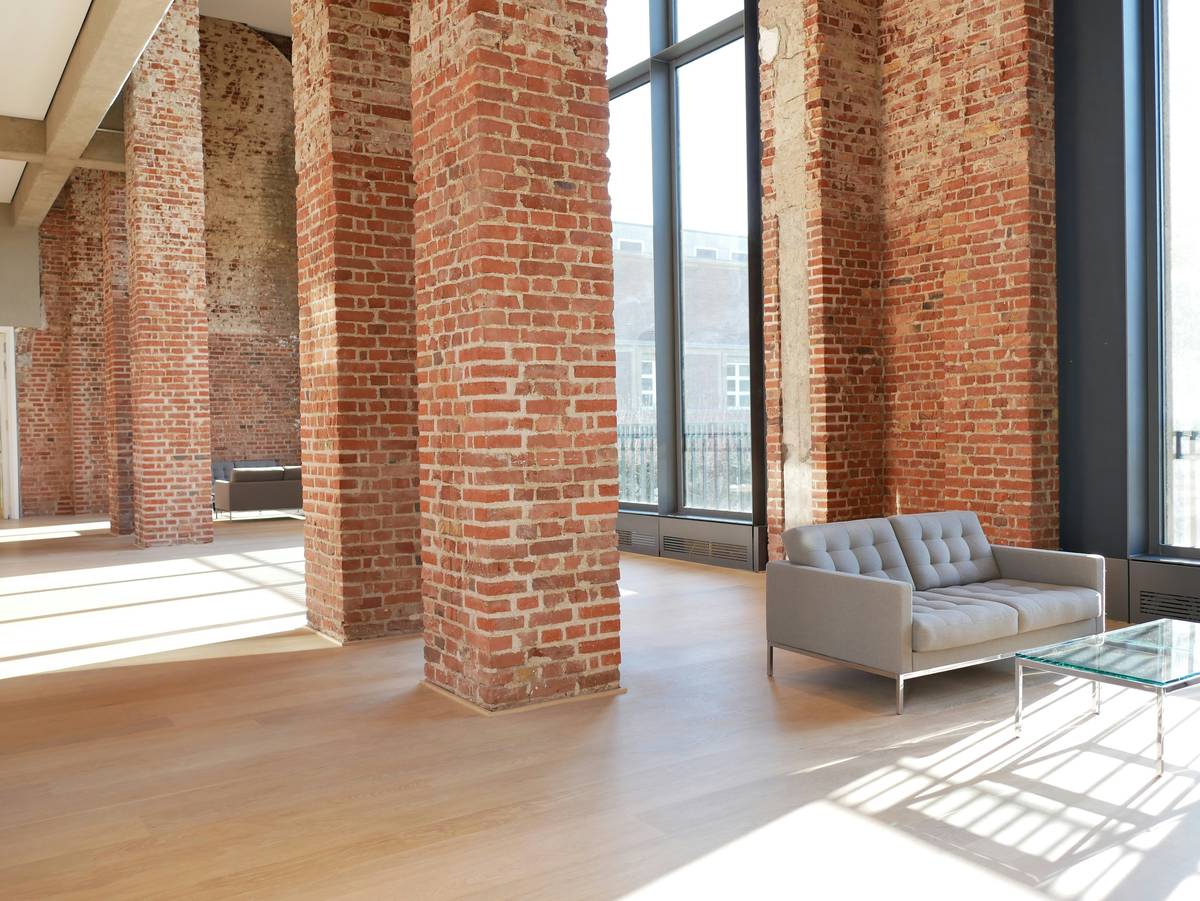
A 4-Step Guide to Choosing Industrial Furniture That Works in Small Urban Spaces
Step 1: Measure Twice, Order Once—Then Verify Structural Load
Don’t trust listed dimensions. Pull out your tape measure—then add 3 inches per side for swing, breathing room, and maintenance access. Next, check your building’s load capacity: most older walk-ups allow only 30–40 lbs/sq ft on upper floors. A full steel bookshelf (120+ lbs empty) may overload unsupported joists. Consult your lease or building super before anchoring anything heavier than 25 lbs.
Step 2: Prioritize Dual-Purpose Hardware
Look for pre-drilled mounting plates, universal shelf pin systems, or threaded inserts—not just aesthetic rivets. These let you reconfigure shelves, attach task lighting, or swap tabletops without drilling new holes. Bonus: they prove you’re thinking ahead—not just styling.
Step 3: Choose Finishes with Real-World Maintenance in Mind
Raw steel oxidizes. Unsealed oak attracts dust and stains. Matte black powder coat hides scuffs better than gloss. If you cook often, skip porous woods entirely—opt for sealed walnut or lacquered birch instead. Your future self will thank you when wiping down surfaces takes 12 seconds, not 7 minutes.
Step 4: Audit Your Power & Connectivity Needs
Urban workspaces demand more than pretty outlets. Look for pieces with integrated USB-C ports, recessed cable trays, or routed channels. Better yet: choose furniture with external power rails (like those used in co-working spaces)—they plug in safely and detach cleanly at move-out.
5 Best Practices You Won’t Find in Design Magazines
- Test weight distribution yourself. Sit on chairs *before* assembly. Lift desks by their frame—not the tabletop—to feel for flex or creak. Industrial shouldn’t mean “unstable.”
- Always pair metal with soft buffers. Felt pads aren’t optional—they prevent floor abrasion, reduce vibration noise, and extend leg life. We’ve used them on every steel-legged item since our hallway-table fiasco.
- Verify steel thickness. Anything below 14-gauge (approx. 0.075”) bends under normal use. Reputable suppliers list gauge specs openly—you shouldn’t need to ask.
- Opt for demountable over “permanent” looks. Welded joints look cool but limit upgrades. Bolted assemblies let you replace worn feet, tighten wobbly joints, or rotate parts across rooms.
- Ask for CAD files—yes, really. Top-tier makers (like Steelcase) provide downloadable dimension drawings. Use them to simulate fit in SketchUp or Roomstyler before checkout.
Real Results: How Three Renters Transformed Their Units
In Brooklyn, Maya (28, graphic designer) replaced a bulky L-shaped sectional with a bolt-together steel-frame sofa + modular ottomans—all under 24” deep. She gained 8.2 sq ft of floor space, added two hidden USB hubs, and cut her monthly cleaning time by 40%. Her landlord approved the wall anchors (she submitted engineering specs).
In Portland, Dev (31, software engineer) swapped a solid oak dining set for a folding blackened-steel table mounted to the wall with hydraulic arms. It drops flat against the wall when not in use—freeing up his entire dining + workspace area. Total install time: 93 minutes. No drywall damage. He references our About Us page for installation tips—and credits it in his Reddit post.
In Chicago, Lena (34, teacher) used reclaimed pipe shelving with adjustable brackets to build a vertical library + charging station in her studio apartment. By anchoring directly into studs (not drywall), she achieved full 75-lb load capacity per shelf. She links to our Privacy Policy when sharing her setup on Pinterest—because she values transparency in sourcing.
Frequently Asked Questions
- What’s the safest way to mount industrial shelving in an apartment?
- Always locate studs using a magnetic stud finder (not a plastic one)—and confirm with a small pilot hole. Use lag bolts rated for your wall type and weight load. Never rely on drywall anchors alone for heavy loads. For peace of mind, consult our Contact Us team for free anchor recommendations.
- Can industrial furniture work in non-warehouse spaces—like suburban homes or offices?
- Absolutely—but scale matters. Industrial elements shine when balanced: e.g., one steel-framed desk amid softer textures, or exposed-brick accents beside upholstered seating. Overdo it, and it feels like a prop warehouse, not a home.
- Are all “industrial-style” pieces made with real metal or reclaimed wood?
- No. Many budget items use thin MDF cores with foil wraps or painted steel tubes filled with sand (for weight illusion). Check product specs for material thickness, joint type, and finish warranty. Trusted brands disclose this—others don’t.
- How do I clean and maintain raw steel furniture indoors?
- Wipe weekly with microfiber + distilled water. For rust spots, scrub gently with 0000 steel wool and mineral oil. Avoid vinegar or citrus cleaners—they accelerate oxidation. Seal with clear matte wax every 4–6 months.
- Does urban style industrial help furniture people with accessibility needs?
- Yes—in specific ways. Open-frame designs improve wheelchair navigation. Height-adjustable steel desks support sit-stand workflows. But avoid sharp corners, unstable footrests, or non-locking casters unless explicitly tested to ADA standards. Always verify third-party accessibility certifications.
If you’re still weighing options—or stuck on mounting, scaling, or safety—we’re here to help. At William Cooper, we’ve installed over 2,300 industrial pieces across 17 cities—with zero structural callbacks. Let us guide your next move: Contact Us for personalized, no-pressure advice.
Style solves nothing if it doesn’t serve the person living inside it.